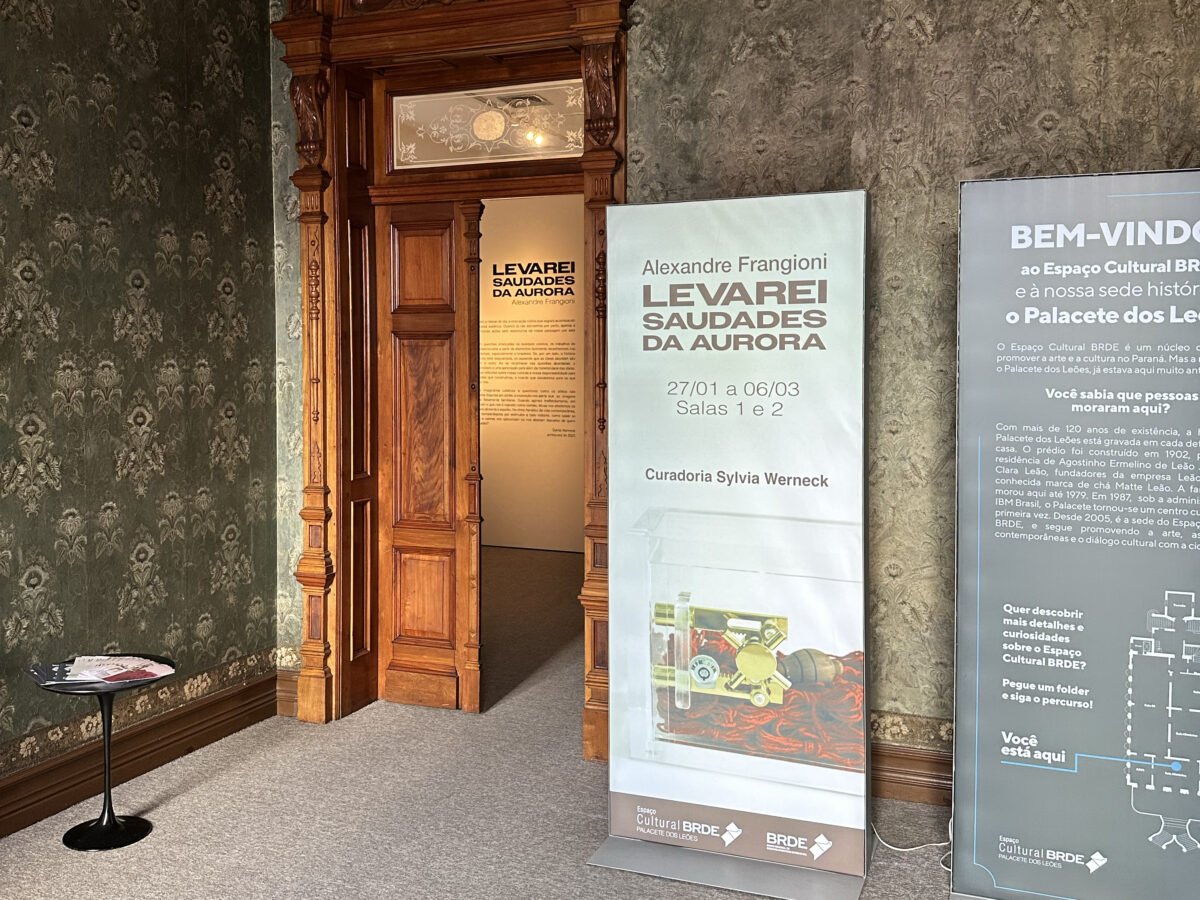
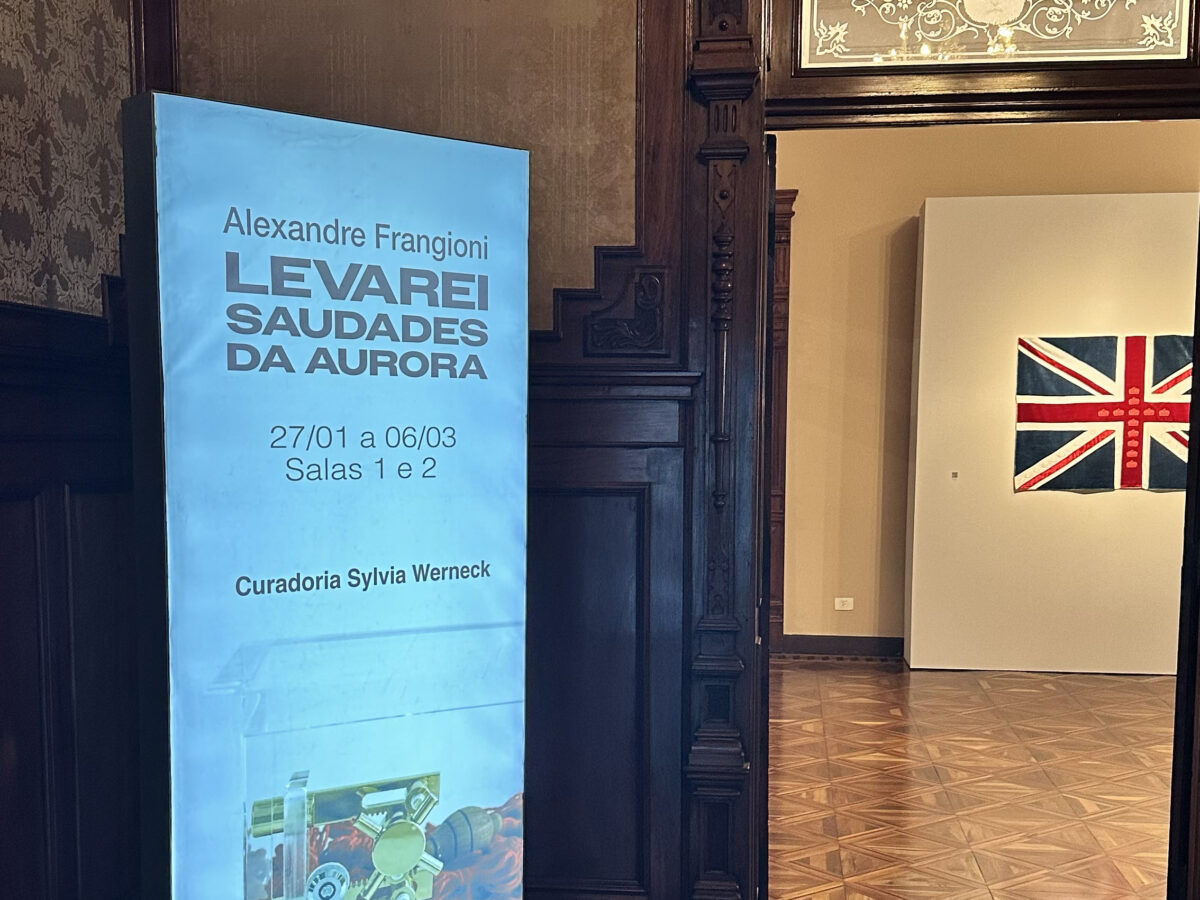
Levarei Saudades da Aurora (I will carry nostalgia of Aurora)
Espaço Cultural BRDE – Palacete dos Leões
January, 2026
As far as we know, we are the only species aware of the transience of our existence. The inevitability of the end underlies humanity’s movements and is addressed in the production of thought across a wide range of cultures. The certainty of death drives the search for knowledge — philosophy, religion, science, and art are fields of reflection through which we seek to understand life, extend it, and create a legacy for those who will live after us. Knowing we are mortal compels us to find ways to remain “immortal” in the memory of others.
The Stoic philosophers saw death as a continuous and inevitable process for which we must prepare throughout a life that should be dignified and well-lived, cultivating attentiveness to the present and valuing virtues over possessions. Buddhism regards death as part of a natural cycle that includes birth and rebirth, only interrupted when the being reaches spiritual enlightenment. In African-derived religions, death is merely a transition to another plane of existence, not an interruption of life. In the cosmogony of Brazil’s Indigenous peoples, the spirit of the deceased migrates to the world of the enchanted, from where it can continue to influence the world of the living. Christian culture preserved from Stoicism the expression memento mori, which can be translated as “remember death.” It is a guideline urging us to steer away from worldly vanities and maintain conduct that favors the community’s future. From this stems a focus on affection, the practice of remembrance, and the appreciation of the present.
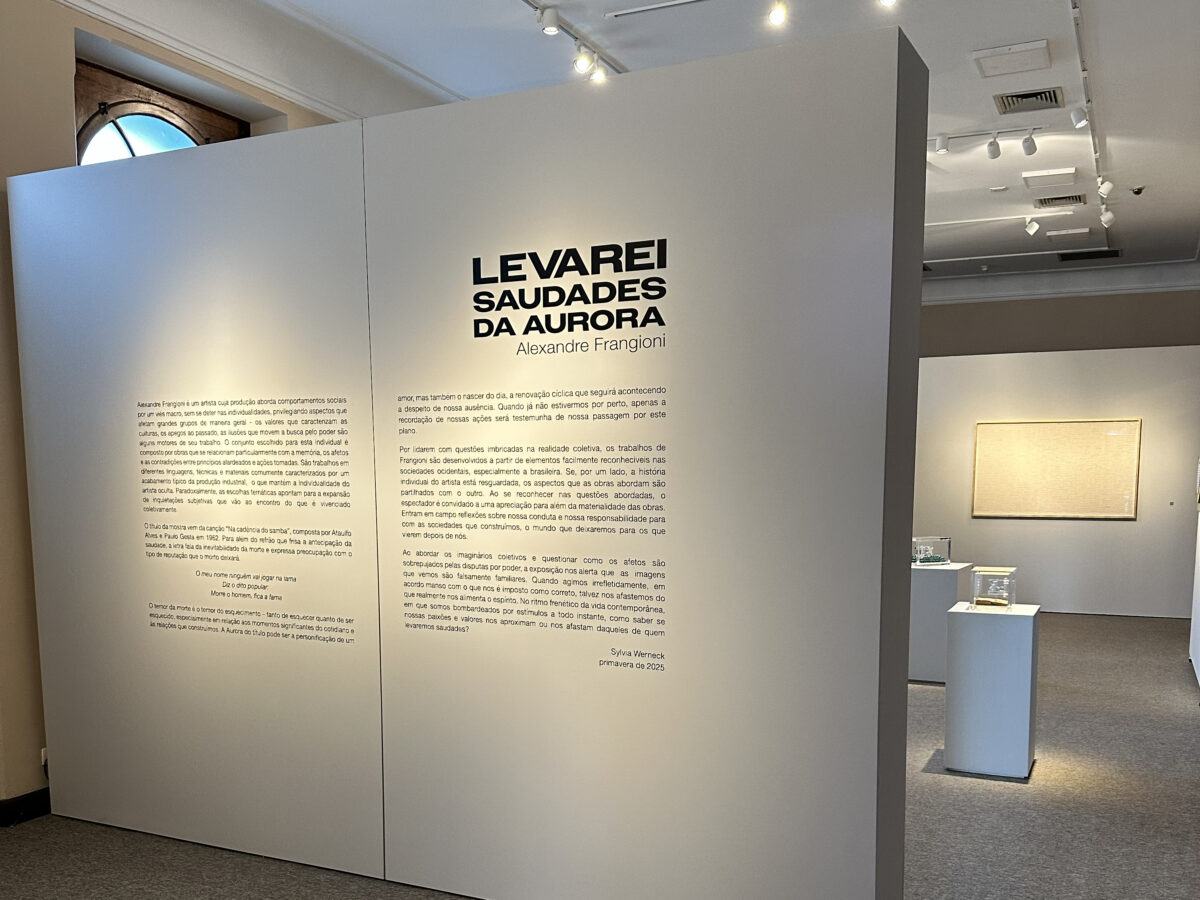
Alexandre Frangioni is an artist whose work addresses social behaviors from a macro perspective, avoiding individualities and focusing on aspects that broadly affect large groups — the values that define cultures, attachments to the past, and the illusions that fuel the pursuit of power are some of the driving forces behind his work. The set chosen for this solo exhibition comprises works that particularly relate to memory, emotional bonds, and the contradictions between loudly proclaimed principles and actual actions. These works, created in different mediums, techniques, and materials, are often marked by a finish characteristic of industrial production, which keeps the artist’s individuality concealed. Paradoxically, the thematic choices point toward an expansion of subjective concerns that resonate with collective experiences.
The title of the exhibition comes from the song Na Cadência do Samba, composed by Ataulfo Alves and Paulo Gesta in 1962. Beyond the chorus, which highlights the anticipation of longing, the lyrics speak to the inevitability of death and express concern with the kind of reputation one leaves behind.
My name no one will drag through the mud
Says the popular saying:
The man dies, the fame remains
The fear of death is the fear of being forgotten — and of forgetting — especially when it comes to significant moments of everyday life and the relationships we build. The Aurora in the title can be the personification of a love, but also the break of day, the cyclical renewal that will continue regardless of our absence. When we are no longer around, only the memory of our actions will bear witness to our passage through this plane.
As Frangioni’s works deal with issues embedded in collective reality, they are developed from elements that are easily recognizable in Western societies, especially Brazilian. While the artist’s individual history is kept in the background, the themes addressed in the works are shared with others. By recognizing themselves in the questions raised, viewers are invited to an appreciation that goes beyond the materiality of the works. Reflections emerge on our behavior and responsibility toward the societies we build, and the world we will leave behind for those who come after us.
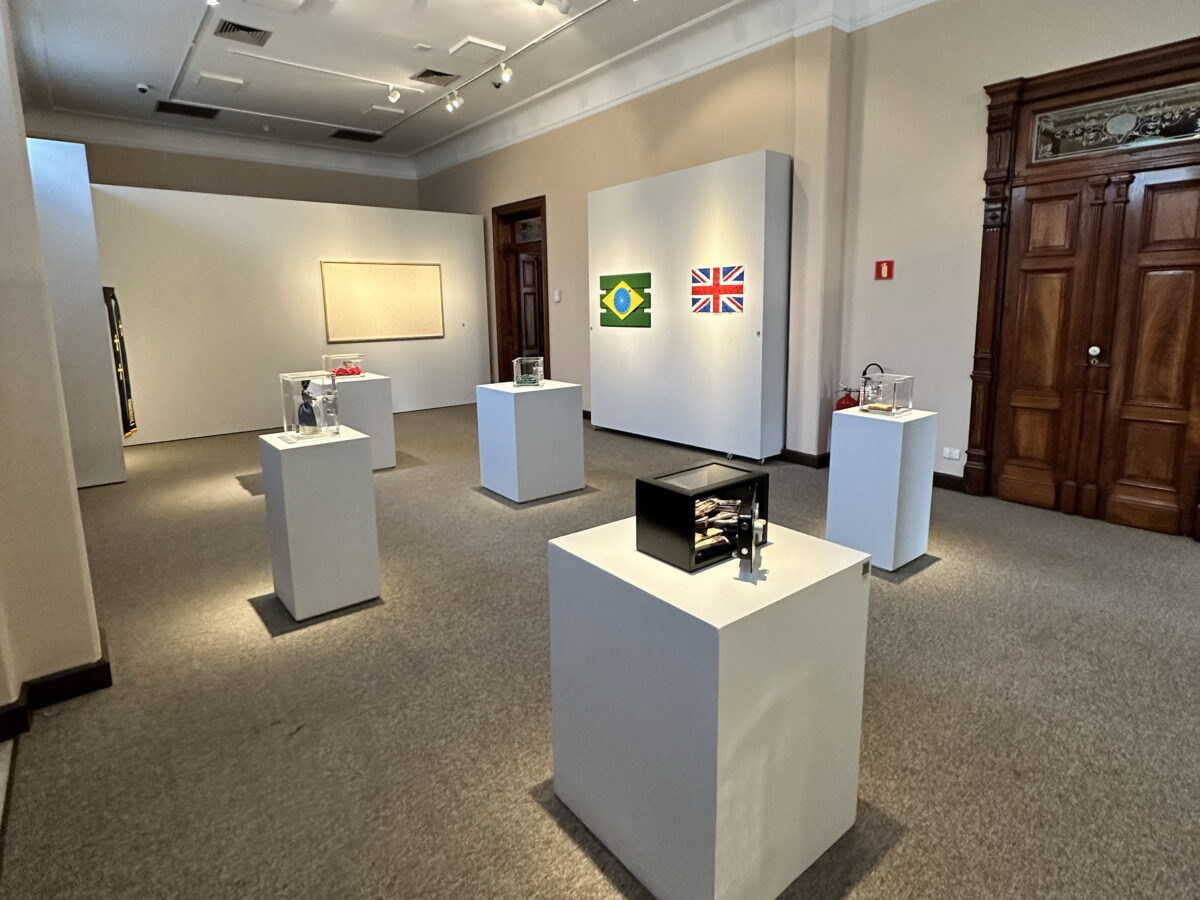
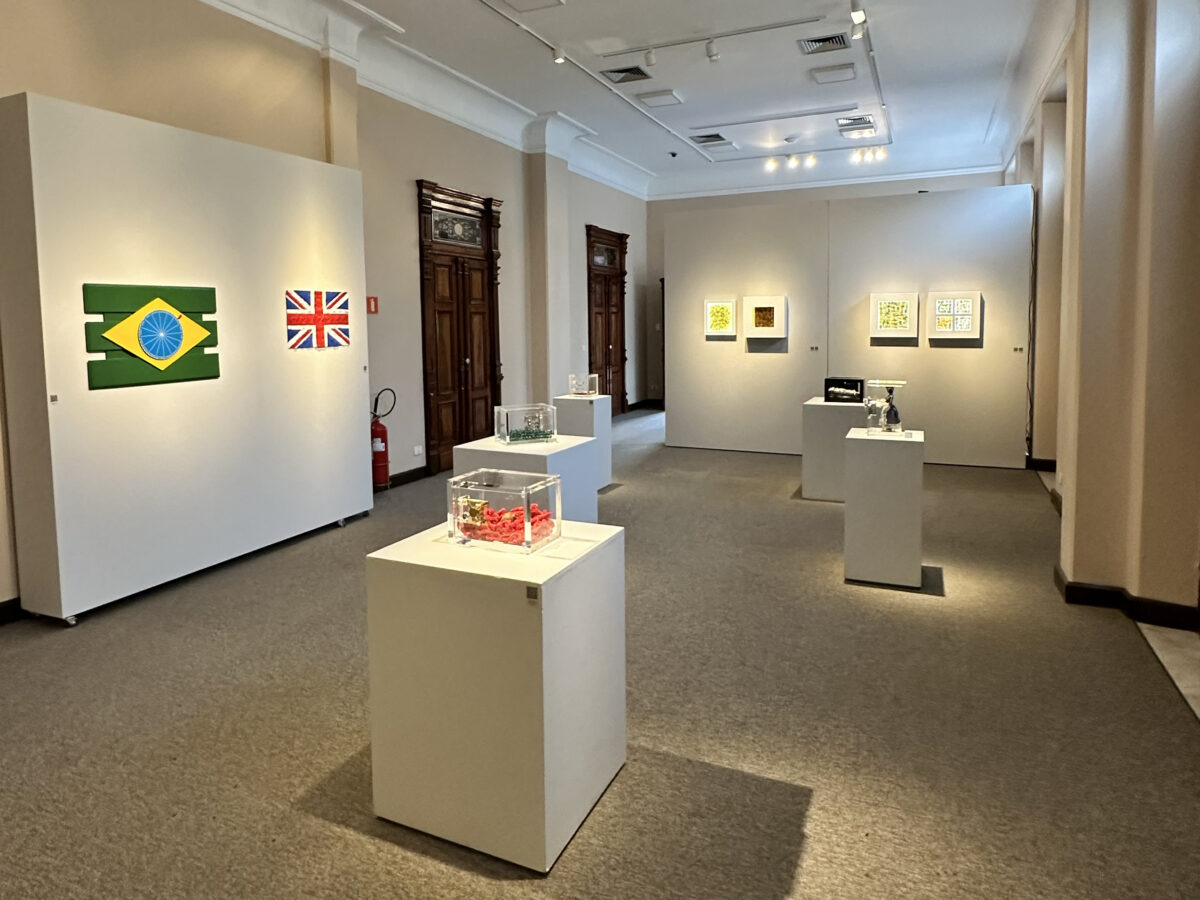
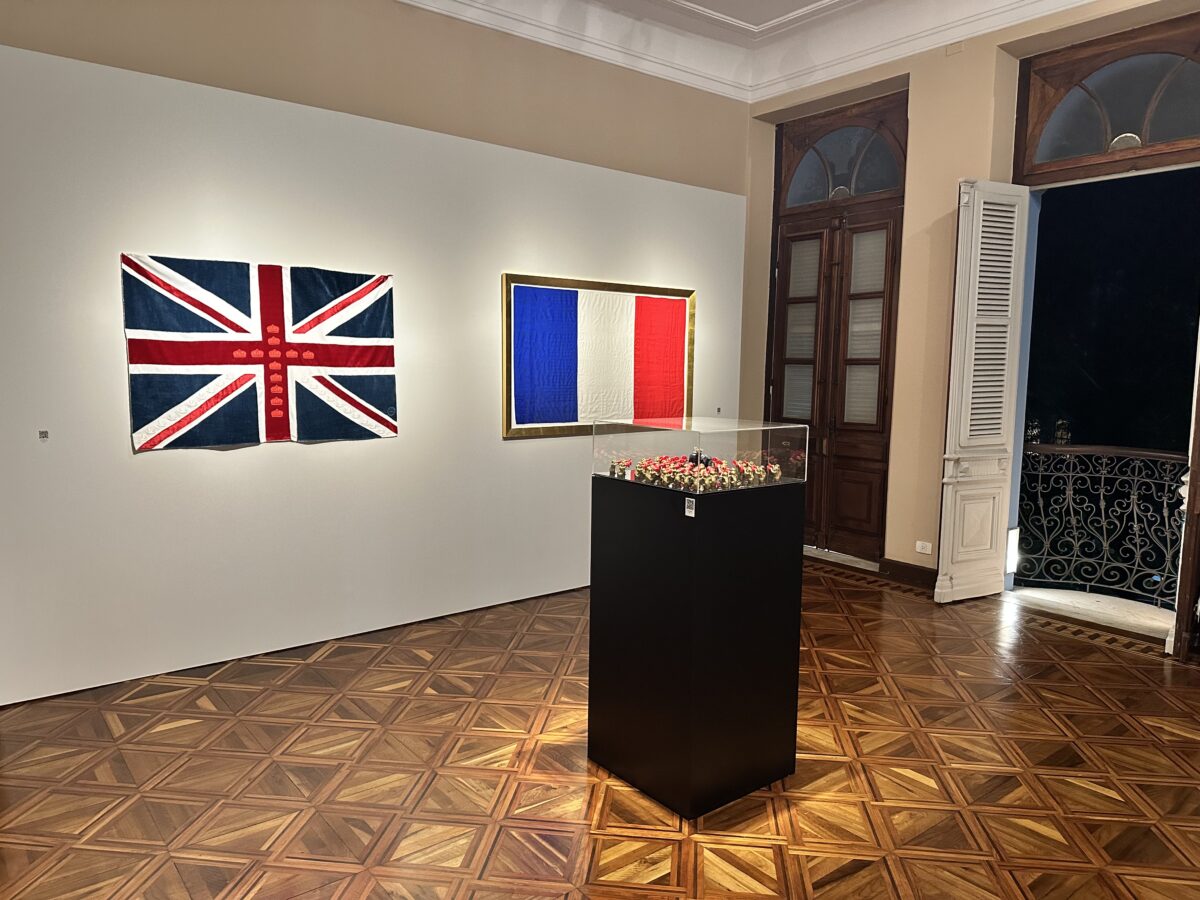
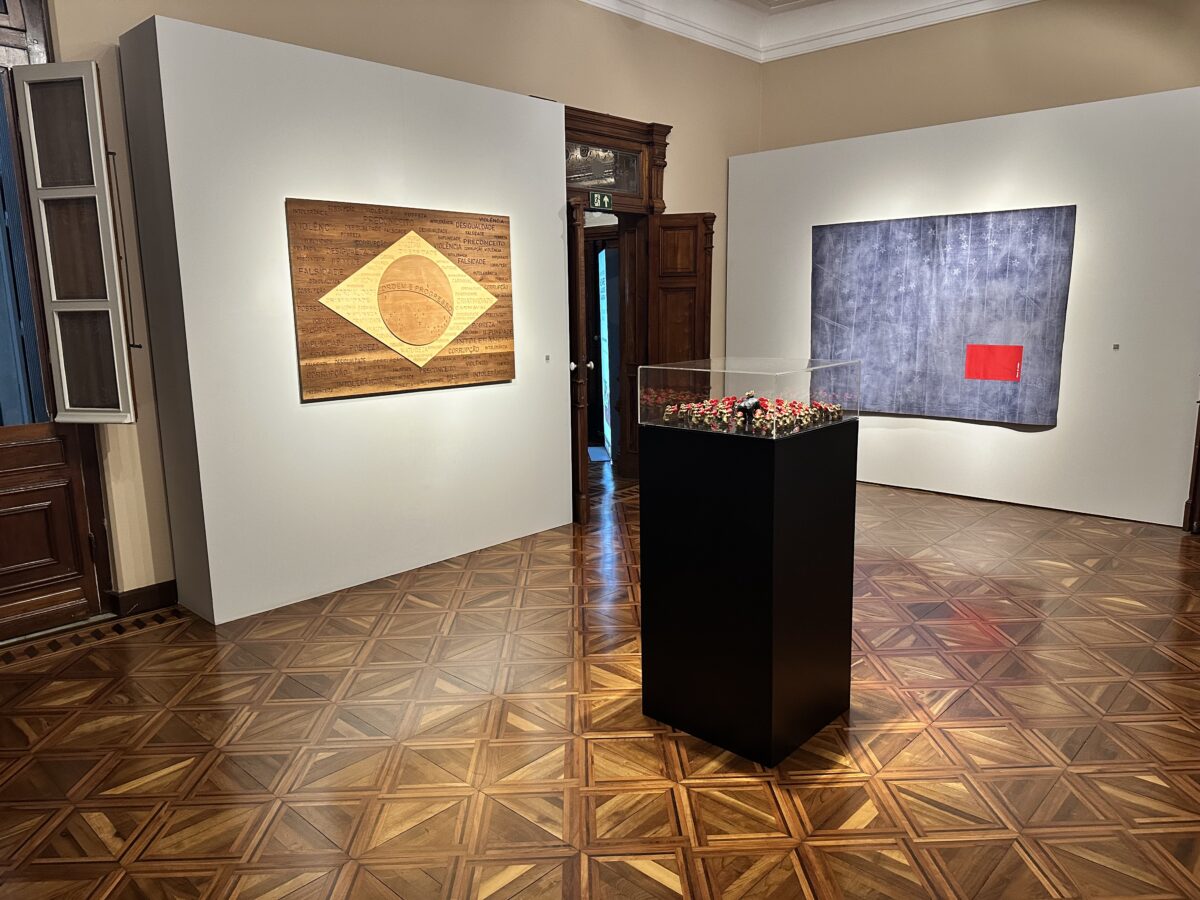
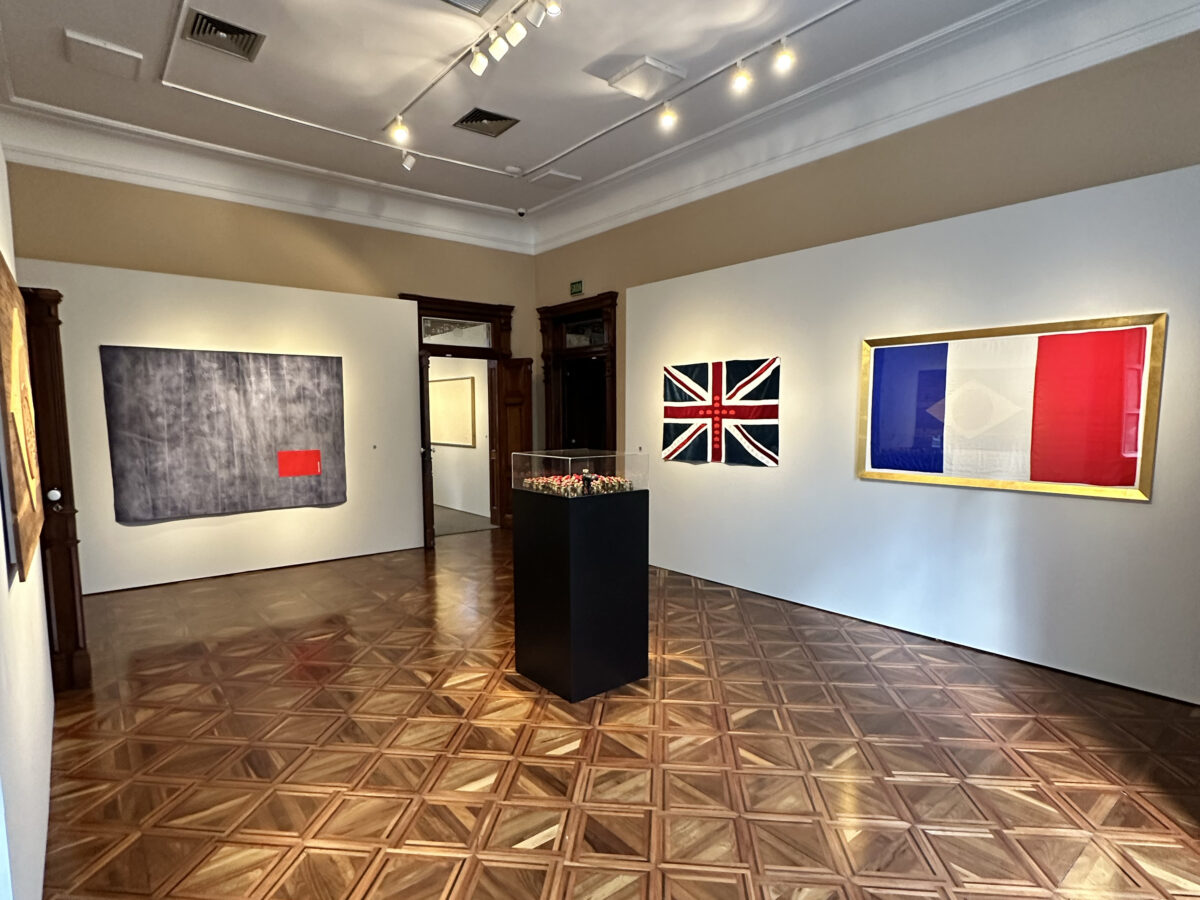
Bandeira do Brasil I (2020) takes the shape of a roulette wheel, where the possible outcomes are stereotypes associated with the country. A national symbol in the form of a game of chance indicates the contradictions and idiosyncrasies of being Brazilian. Bandeira do Brasil II (2020), which carries similar signifiers, is made from woods typical of different biomes in the country — natural resources coveted since 1500. Flags of other nations juxtapose symbols of pride with issues such as xenophobia and luxury consumption, symptoms of social inequality.
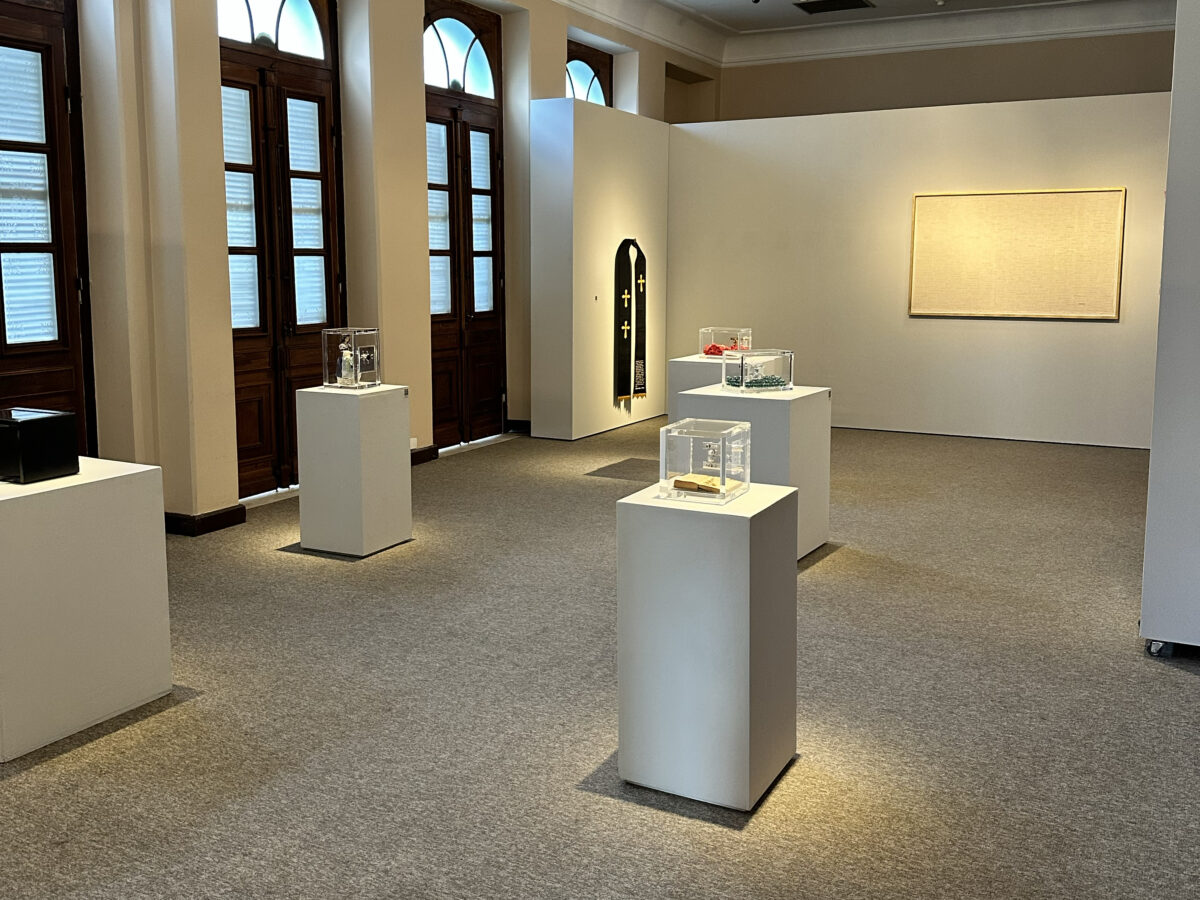
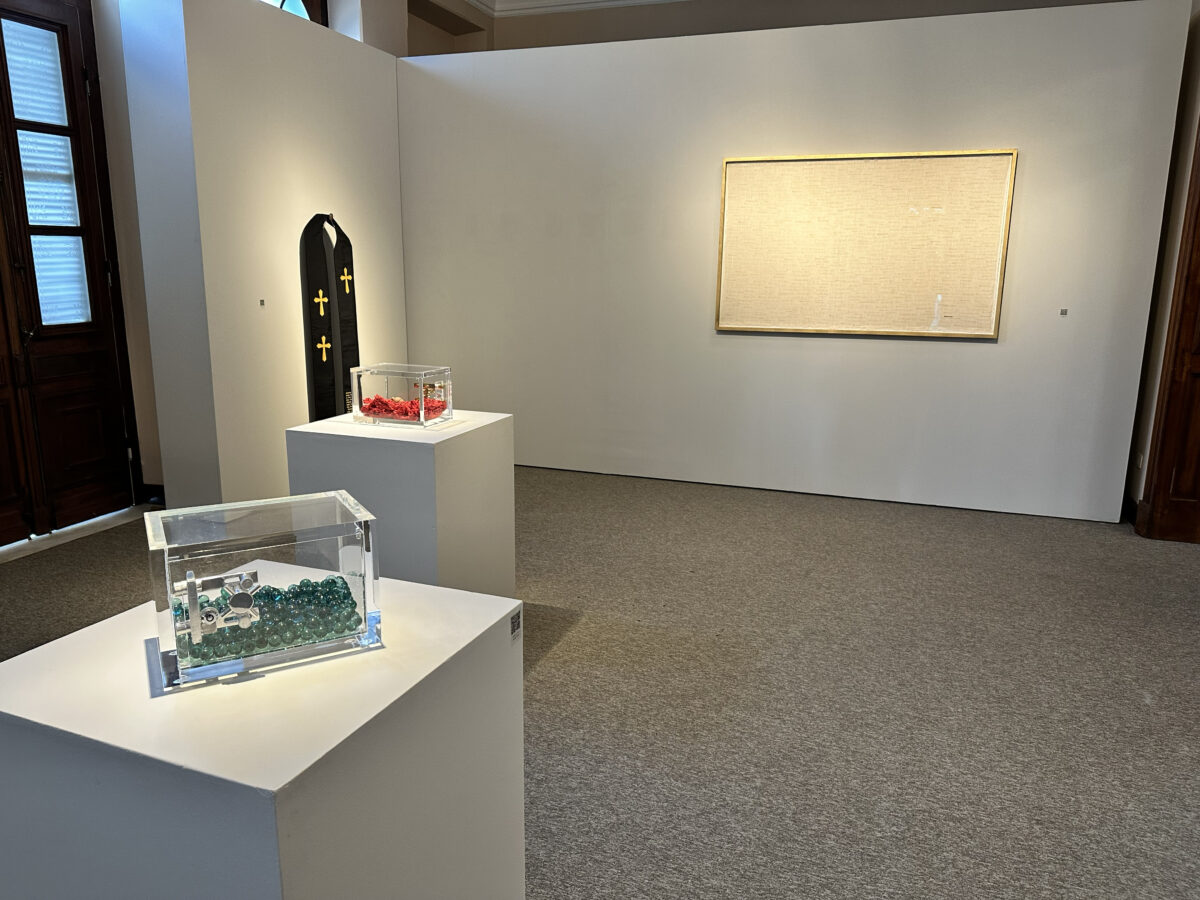
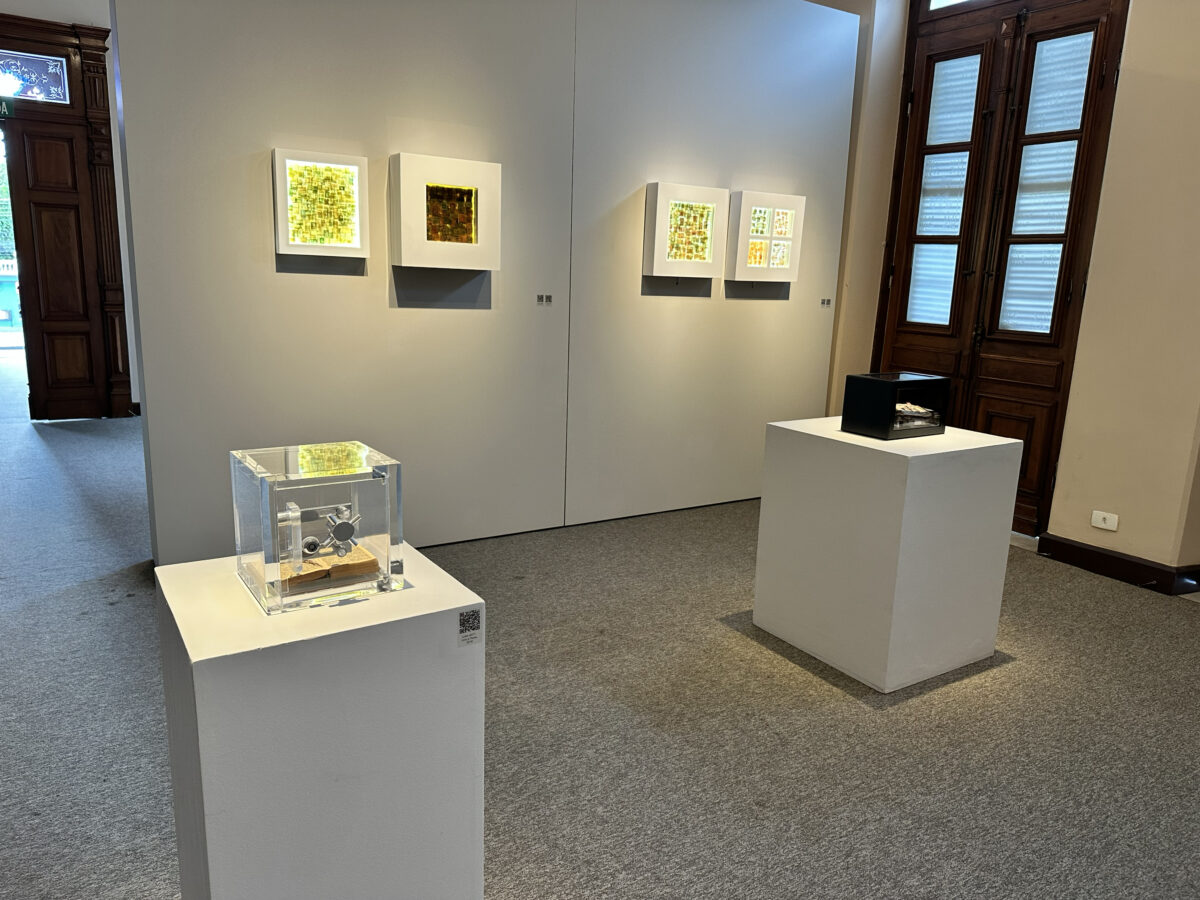
R-Evolução (2017) uses humor to denounce the concentration of power, while the safes, in this case, serve not to protect the status quo, but to preserve emotions materialized in personal items. The compositions in the Memórias series follow arbitrary standardizations, just as decisions about which things or people are worthy of being enshrined in emblems, effigies, and stamps are arbitrary.
By addressing collective imaginaries and questioning how affections are overshadowed by power struggles, the exhibition alerts us that the images we see are falsely familiar. When we act unthinkingly, passively accepting what is imposed as right, we may be straying from what truly nourishes our spirit. In the frantic pace of contemporary life, where we are bombarded by stimuli at every moment, how can we know if our passions and values bring us closer to — or further from — those we’ll miss when they’re gone?
Sylvia Werneck
Spring 2025